
Tel: +92 (0)42 37899887-9, +92 3004151068 | Email: info@qurtubaconsultants.com

MBBS in China
MBBS in China has become one of the most preferred choices among Pakistani and international students seeking globally recognized, affordable, high-quality medical education. Over the last decade, China has emerged as a prime destination for medical study due to its internationally renowned universities, excellent teaching hospitals, English-medium MBBS programs, and significantly reduced tuition fees compared to many other nations.
Modern learning environment in Chinese medical schools, including state-of-the-art laboratories, digital libraries, simulation centers, and affiliated teaching hospitals where students get practical clinical practice. Several institutions are recognized by the Pakistan Medical and Dental Council (PMDC), which allows eligible graduates to meet licensing requirements in Pakistan as per the latest regulations. Many universities are listed in the World Directory of Medical Schools.
The greatest boon of MBBS in China for Pakistani Students is the combination of academic brilliance and cost-effectiveness. Students receive world-competitive medical education without the extraordinarily expensive tuition fees of nations such as the United Kingdom, the United States, or Australia. In addition, numerous Chinese colleges offer scholarships and financial help to high-achieving international students.
With its multicultural atmosphere, English-medium medical programs, experienced faculty members, and excellent prospects for clinical exposure in some of Asia’s largest teaching hospitals, China has plenty to offer Pakistani students. Students benefit from modern campus facilities, secure accommodation, research opportunities and a diversified international student community.
But selecting the right university, understanding the eligibility criteria, preparing documents, and navigating admission and visa procedures can be tough without professional advice. For students aiming to develop a successful medical career, selecting a university accredited by the appropriate medical authorities is an essential step.
Qurtuba Consultants provides professional educational consultancy services to help Pakistani students get admission to prestigious Chinese medical institutes. Our professional counselors will guide students from university selection and documentation to visa assistance and pre-departure guidance, making the entire admission process easy and transparent.
Whether it’s studying medicine at a PMDC-recognized medical university, looking for affordable tuition options, or beginning your journey to become a qualified doctor, China continues to present exciting opportunities to ambitious students. From eligibility criteria to tuition rates, top medical universities, entrance procedures, scholarships and expert guidance, this guide covers all you need to know about MBBS in China to make an informed decision.
Why MBBS in China
Why MBBS in China

MBBS in China
China is now considered one of the best destinations to study medicine in the world, with globally acknowledged degrees, reasonable tuition prices, excellent teaching facilities, and superb clinical training opportunities. Thousands of international students choose Chinese medical universities every year due to their quality education, which is affordable and in accordance with international norms.
China offers numerous opportunities to overseas candidates through MBBS courses in English in government-recognized universities, unlike many countries where medical education is very competitive and expensive. Students receive theoretical information and clinical practical experience in linked teaching hospitals to prepare them for future medical practice and licensure examinations.
Chinese universities are continuing to invest extensively in medical research, healthcare technology, artificial intelligence, biotechnology, and contemporary healthcare infrastructure. Thus, students are trained in an environment that promotes innovation, evidence-based medicine, and experiential learning.
Globally Recognized Medical Degrees:
Many Chinese medical schools are listed in the World Directory of Medical Schools (WDOMS) and accredited by foreign medical associations. The Pakistan Medical and Dental Council (PMDC) also recognizes several universities, so qualifying graduates can proceed with their licensure process according to existing PMDC standards.
Affordable Tuition Fees:
MBBS in China is quite affordable compared to many Western countries. Students receive a quality education, state-of-the-art facilities, and clinical experience without the prohibitive tuition costs sometimes associated with medical institutions abroad. This is an attractive choice for students seeking value without sacrificing quality of education.
English-Medium MBBS Programs
Many universities have MBBS in English for international students. This is useful for students from Pakistan and other countries to pursue medical school without facing language difficulties in their academic courses, and it also motivates them to learn basic Chinese to communicate successfully during hospital rotations and in daily life.
Modern Teaching Hospitals
Chinese medical schools are affiliated with large teaching hospitals, equipped with the latest diagnostic technology, specialty departments, simulation labs, and highly qualified medical personnel. Students are given practical training in clinical settings in the presence of qualified doctors, which enhances their practical and theoretical knowledge.
International Learning Environment:
Chinese universities provide a global academic environment, with students from Asia, Africa, the Middle East, and many other regions learning together. This exposure to global settings helps students develop communication skills, cultural awareness, teamwork, and professional confidence critical to today’s global healthcare industry.
Strong Research and Innovation:
China has become a world leader in medical research, biotech, pharmaceutical sciences, AI in healthcare and clinical innovation. Students are provided with opportunities to participate in research projects, scientific conferences, and laboratory-based learning, which boost their academic and professional development.
MBBS in China Eligibility Criteria:
Students who wish to study MBBS in China need to fulfill the admission criteria of the university of their choice. Although the specific eligibility standards may vary slightly from one institution to another, most of the Chinese medical universities have similar academic and documentation requirements for international applicants.
The selection of a university that fits your academic credentials is a crucial step towards a successful admission. Applicants should also verify that they understand the latest requirements provided by the relevant educational and medical authorities before applying.
Academic Qualification:
Applicants should have passed Higher Secondary School Certificate (HSSC), FSc (Pre-Medical), or equivalent with Biology, Chemistry, and Physics.
Minimum Academic Performance:
Most colleges require a good academic record in science areas. Admission requirements differ between institutions, and students should check the most current criteria before applying.
Age Requirement:
Applicants normally must satisfy the minimum age requirement of the university they are applying to at the time of admission.
Required Documents:
Students are normally required to provide academic transcripts, a passport, recent pictures, medical examination records, and other supporting papers as required by the university.
English Language Requirements:
Most universities offering MBBS programs in English Medium do not demand IELTS or TOEFL for international students; however, applicants must check the university’s updated admission policy before applying.
Read the full guide on MBBS in China Eligibility Criteria for Pakistani Students to know the subject requirements, admission policies, required marks, age criteria, and eligibility for individual universities.
MBBS in China Fees Structure:
One of the major motivations for international students to pick MBBS in China is its low tuition fees compared to other countries, including the United States, the United Kingdom, Australia, and many European destinations. Chinese medical universities offer internationally recognized medical education at moderate tuition fees, making quality education affordable for students from different financial backgrounds.
The overall cost of studying MBBS in China normally covers tuition fees, hostel accommodation, medical insurance, visa renewal, registration taxes, and personal living expenses. The actual cost varies by university, city, whether you have a scholarship, and the type of lodging.
Most universities have clear price structures which are published annually, allowing students and parents to properly plan for the cost of their education before they enroll. Many colleges also provide merit scholarships or financial aid programs for outstanding international students.
Students in many Western countries not only get affordable tuition but also have access to contemporary labs, teaching hospitals, computerized classrooms, huge libraries, simulation centers, and practical clinical training without astronomical tuition fees.
Looking for detailed university-wise tuition fees?
Check out our extensive information on the MBBS in China fee structure for Pakistani Students to compare tuition fees, hostel charges, and expected living expenditures at various medical schools in China.
Estimated Annual Expenses:
The total education expenses often consist of:
Tuition Fee, Accommodation, Medical Insurance, Registration Charges, Visa Extension, Residence Permit, Living Expenses, Study Materials
Students are advised to always check the most recent fee structure directly from the university or through an authorized education adviser before completing their application.
Top Medical Universities in China:
China has numerous internationally renowned medical universities that offer MBBS programs in English to international students. Many of these universities have gained strong reputations for academic brilliance, modern research facilities, skilled faculty, and substantial clinical training.
Students should consider many aspects while choosing a school, not just the rankings. They include university reputation, teaching hospital partnerships, research opportunities, tuition fees, campus facilities, city life, student support services, and graduate outcomes.
The choice of institution can have a huge impact on a student’s academic experience and future career in the field of medicine.
The following are some of the famous medical universities for Pakistani students:
Shandong Medical and Pharmaceutical University, Yangtze University, Jamusi University, Panzhihua University, Jinggangshan University, Qingdao University, Jiangsu University, Dalian Medical University, China Three Gorges University, Hebei Medical University.
Every institution has its own pros in terms of costs, campus, research, hospital training, student life, etc.
Check out our complete list of Top Universities in China for MBBS and compare their rankings, tuition rates, locations, infrastructures and entrance criteria.
Factors to Consider Before Choosing a University
Evaluate before you make your ultimate decision:
University Recognition
Recognition Status by PMDC
Teaching Hospitals Quality Clinical Training Opportunities WDOMS Listing
Tuition Fees Hostel Facilities International Student Support Scholarship Availability and Graduate Success Rate.
PMDC Approved Medical Universities in China
Students from Pakistan who wish to study MBBS in China should choose a medical university approved by the Pakistan Medical and Dental Council (PMDC).
Regulatory authorities may change their regulations, which could lead to amendments in recognition requirements over time. Therefore, applicants must constantly check the current recognised status of the university they are applying to before accepting the admission offer.
Apart from PMDC recognition, students should also ensure that the chosen university is included in the World Directory of Medical Schools (WDOMS) and follows the admission standards for international medical graduates.
Choosing an accredited university helps students stay informed about current licensing requirements and future career planning.
Before applying, see our revised list of PMDC Approved Medical Universities in China.
Recognition and Importance
Studying at a recognised medical university offers many significant benefits.
More academic credibility
International acknowledgement
More career opportunities
Eligibility for licensure pathways (subject to applicable laws and regulations)
Increased confidence for future postgraduate studies
Students should always verify recognition from official authorities themselves before making any admission choice.
English Medium MBBS Programs:
One of the major reasons international students choose China is that MBBS options are available in English medium.
Through these programs, students can learn core medical courses in English while gradually developing basic Chinese language skills so that they can communicate fluently with patients during clinical rotations and hospital training.
English as the language of study helps students better comprehend complex medical topics and prepare for future licensure examinations and postgraduate courses in different settings.
Medical education in Chinese institutions is integrated and includes academic courses, clinical experience, simulation-based teaching, laboratory and hospital rotations.
Advantages of English Medium MBBS Programs:
Students benefit from:
World-class English classes
Hospital practice
Qualified teachers
Modern teaching methods, international classes, diverse backgrounds, research possibilities
Clinical communication training
Classes are offered in English. You need to acquire some basic Mandarin for day-to-day living and when you go on internship, to speak with patients.
Want to understand admission requirements for English-medium MBBS programs?
Read our comprehensive information on MBBS in China Admission Process.
Choosing China for medical education is a significant decision, and students should carefully consider factors such as university recognition, tuition fees, clinical training, living expenses, career prospects, and licensing requirements before applying. If you are still comparing the advantages and potential challenges, read our detailed guide on Is MBBS in China Worth It? to understand whether studying medicine in China is the right choice for your academic and career goals.
MBBS in China Admission Process:
The admission process for MBBS in China is simple, provided you are aware of each step and prepare your documents properly. A good education consultation can help you avoid delays and improve the accuracy of your application.
Qurtuba Consultants guide students through every stage of the admission process, from selecting the right university, preparing the documentation, and making the pre-departure arrangements.
Step 1: Choose the Right Medical University:
The initial step is to pick a university that meets your academic profile, finances, work goals, and future licensing needs.
Factors to consider include:
PMDC recognition
Tuition fees
University position by cost
English 12 Curriculum
Cost of living and city
Help for international students
Clinical education posts
Step 2: Submit Your Application:
Then the University will be selected, and the candidates will submit their credentials for admission, such as academic records, ID proofs, etc.
Universities generally review:
Academic performance
Passport validity
Supporting documents
Once verified, the university begins processing the application.
Step 3: Receive the Offer Letter:
Successful applicants will get a formal Admission Offer Letter from the University.
Usually the offer letter will contain:
Program overview:
Tuition Costs
Intake session
Admission Registration Criteria
Please read all details carefully before accepting the offer.
Step 4: Document Verification:
The universities check the provided documentation before the visa procedure.
Verification may include:
Schooling
Passport Information
Verification of identity
Verification of translation (if needed)
Complete and accurate documents avoid unnecessary delays.
Step 5: Receive JW202 or JW201 Form:
The university will send the JW202 or JW201 form after the admission acceptance.
These are the formal documents required for the application for a student visa for China.
The form differs depending on the university and the type of admission.
Step 6: Pay the Required Tuition Deposit:
Many colleges require a tuition deposit/registration fee as a precondition for the student to receive final admission paperwork.
Payment arrangements differ from university to university.
Students shall at all times use the proper means of payment of the university.
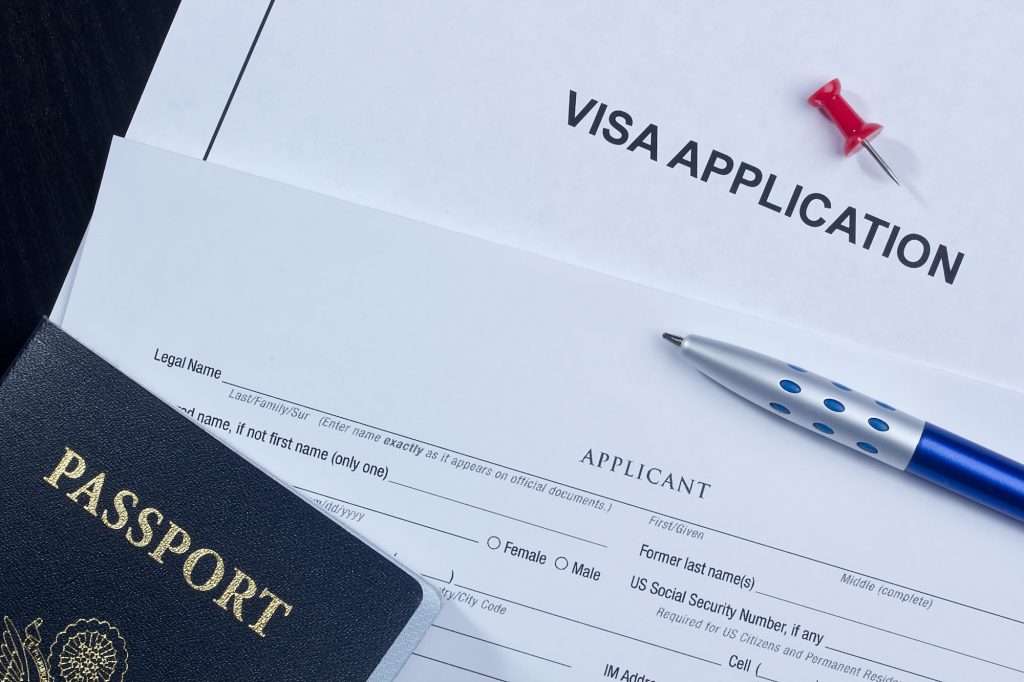
Step 7: Apply for your Student Visa:
The admission package will be sent to the students, and they can apply for a visa at the Chinese Embassy or the relevant visa application office.
Common requirements are
Admission Letter, Passport, JW202/JW201 Form
Passport photos for visa application forms
Medical examination (if applicable)
We will consider this method in more detail in the next section.
Step 8: Travel to China:
Once the visa is approved, students can plan their travel.
Before departure, students should prepare:
Original academic documents, visa, passport, university acceptance letter
Tuition Receipts
Accommodation Information
Qurtuba Consultants also provides pre-departure counseling to inform students about the University’s expectations and the procedures on arrival.
Step 9: University Registration:
When students arrive in China, they check in at the University.
Registration generally consists of:
Identification verification
Original document submission
Tuition Confirmation
Hostel allocation
Medical examination (if required)
Student ID issuance
After successful registration, students officially begin their MBBS program.
Documents Required for MBBS in China Admission:
Preparation of complete and proper paperwork is one of the most important phases of the admission procedure. If your application or visa process is delayed, it may be due to missing or incorrect paperwork.
Here are the documents usually required for MBBS in China for Pakistani students.
Valid Passport:
A passport should be valid for the required period specified by the university and visa authorities.
Ensure that:
The passport data is accurate.
Passport has enough blank pages.
Travel regulation expiration date
SSC Certificate and Mark Sheet:
Students usually submit:
SSC Certificate
SSC Marks Sheet
These documents verify secondary education.
HSSC Certificate and Mark Sheet:
Applicants also provide:
HSSC Certificate & HSSC Marksheet
These documents are used for eligibility for medical studies in universities.
Police Character Certificate:
Some colleges or visa authorities may ask for a Police Character Certificate to verify the candidate’s background.
Requirements vary from institution to institution.
Medical Examination Report:
Students may need to complete a medical examination according to the latest university or visa requirements.
The medical results are generally required to prove that the person is medically fit to study abroad.
Passport-Size Photographs:
Recent passport-size pictures are normally required for:
Admission, Visa application and University registration.
Follow the latest photograph specifications provided by the university or embassy.
Bank statement (if applicable)
Some schools or immigration processes request proof of finances to show the student can afford to pay for school expenses.
University and visa process requirements vary.
Completed Admission Form:
Applicants must complete the official university admission form.
Providing false information may delay processing of your application.
English Translation of Documents:
If any educational records are not in English, certified English translations may be requested.
Different universities have different standards for translation.
Notarization (If Applicable):
Some universities may require you to have your educational documents notarized.
Students must comply with the document rules of the university of their choice.
Student Visa Process for MBBS in China:
Next, when you have been admitted to a Chinese medical university, you will need to apply for a student visa.
Visa criteria and processes may vary from time to time and candidates should always consult the latest instructions published by the relevant Chinese authorities and their university.
X1 Student Visa:
The majority of Pakistani students opting for MBBS in the longer period generally apply for an X1 Student Visa. This visa is generally for long term academic research.
The sort of visa you are issued depends on the type and length of program.
Common Visa Requirements:
Applicants usually have to submit:
Valid Passport, Admission Letter, JW201 or JW202 Form
Visa application form
Passport photographs
Medical Examination Papers (if any)
Depending on the individual situation, further documentation may be required.
Embassy or Visa Application Process:
The normal steps taken by applicants are:
- Prepare required documents.
- Submit the visa application through the designated process.
- Attend biometric collection or interviews if requested.
- Wait for application processing.
- Collect the approved passport.
Processing times may vary.
Arrival in China:
After arriving in China, students can check the arrival instructions published by their university.
Usually this consists of:
Reports to: International Office
Registered completely
Submitting original papers
Required medical formalities to be carried out.
Residence Permit:
Students coming to China on long-term study visas are usually instructed to apply for a residence permit upon arrival, according to processes established by their university and local authorities.
Universities generally assist international students with this process.
Scholarships for Pakistani Students:
Most of the medical universities in China offers scholarships to the international students including Pakistan. However, scholarships can be available based on the University, your academic performance and the policies of the university.
There is a lot of competition for the scholarships and no consultancy can promise you will be accepted.
Scholarships for Academic Achievement:
Some institutions also provide merit scholarships to reward exceptional academic success.
They can get these:
University Scholarships Prior to admission At time of enrolment Based on annual academic performance
Some institutions grant financial help to international students who qualify.
Every institution has different eligibility standards.
Students are advised to check the official scholarship information of the university they are applying to.
Government Scholarships:
Some of the scholarships funded by the government may be offered to overseas students as well.
Availability and eligibility are subject to change every year.
For the latest chances, please check to the official sources.
Scholarship Eligibility:
Such as: Determination of eligibility often depends on:
Academic performance, University requirements, Application completeness, Scholarship availability and Compliance with institutional policies.
Meeting the eligibility conditions does not guarantee that you will receive the scholarship.
Important Notice:
Students should note the following when applying for scholarships:
Scholarships available are limited.
Universities have different needs.
Deadlines matter.
Some scholarships are awarded at the time of enrolment.
Always follow official university announcements.
Read our comprehensive information on MBBS in China Scholaships for Pakistani Students.
Career Opportunities After MBBS in China:
After completing your MBBS from a WHO-accredited Chinese medical university, you will have a wide range of career opportunities both in academics and the professional world. The prospects for employment that are open to you will depend on the licensing requirements, the laws of the country, the postgraduate qualifications that you have, and your professional aspirations.
PMDC Licensing Pathway:
Graduates desiring to practice medicine in Pakistan will need to fulfill relevant prerequisites and follow procedures as specified by the Pakistan Medical and Dental Council (PMDC) or other relevant authorities as applicable at the time of registration/licensing.
Students should be informed about the current government regulations.
Postgraduate Studies:
Many graduates choose to pursue the following:
Medical specializations, Master’s degrees, Residency training and fellowship programmes.
Admission requirements differ by country and institution.
Clinical practice:
Graduates can practice clinically, according to the licensing regulations of the nation in which they choose to work.
The medical rules of the jurisdiction determine eligibility.
Medical Research:
Possible jobs for graduates interested in scientific growth are:
Medical research institutions;
Clinical research institutions; universities; pharma research; public health
Public health professionals help with:
Avoiding sickness
Health education
Hospital epidemiology, community medicine, jobs, policy formulation
Graduates can find work in the following areas:
Hospitals, public
Private health care
Teaching hospitals
Specialty health care facilities
Other countries have different criteria.
International Career Opportunities:
If you are a graduate and want to work abroad, you must know the license and registration requirements of the country you are visiting before you start planning your professional trip.
Your career planning should not stop at graduation. Pakistani students considering MBBS in China should also understand their options for specialization, postgraduate studies, medical licensing, hospital careers and international opportunities. Read our detailed guide on What to Do After MBBS in China to explore the possible career pathways after completing your medical degree.
Why Choose Qurtuba Consultants for MBBS in China?
Choosing the right education consultancy can make your study abroad journey more organized and less stressful. At Qurtuba Consultants, we provide clear information and one-to-one support with the admission process.
Our Experience:
Since 2001, Qurtuba Consultants has been helping Pakistani students achieve their dream of studying medicine abroad. Over the past two decades, we have successfully guided 4,500+ Pakistani students for MBBS admissions in China, making us one of the experienced education consultancies in this field.
Our team provides personalized guidance throughout every stage of the admission process, from selecting the right university and preparing documents to visa assistance and pre-departure support. We focus on helping students make informed decisions based on their academic profile, career goals, and budget.
Professional Career Counseling:
Each student has a unique academic profile and career goals. We give tailored recommendations to help students choose the ideal universities according to their profile, preferences, and budget.
University Selection Assistance:
We help students compare medical universities by considering factors such as:
- Recognition
- Tuition fees
- English-medium programs
- Campus facilities
- Student support
- Location
Documentation Support:
Preparing admission documents correctly is essential. Our team assists students in organizing and reviewing the required paperwork before submission.
Visa Guidance:
We assist students with their student visa application by providing the latest information on document requirements, the application process, and pre-departure plans.
Pre-Departure Support:
Before traveling, students receive guidance on:
- Travel planning
- University registration
- Packing essentials
- Arrival procedures
- Student life in China
Student Assistance:
Our support continues beyond the admission stage by helping students stay informed about important university communications and general study abroad guidance whenever appropriate.
Start Your MBBS Journey with Confidence:
Looking for universities, comparing tuition costs, or preparing your application? Qurtuba Consultants is here to assist you in choosing the best at every step of your study abroad journey.
Contact Qurtuba Consultants today to discuss your MBBS in China options and receive personalized admission guidance.
Frequently Asked Questions (FAQs)
Is MBBS in China valid in Pakistan?
Yes, the graduates of Chinese medical universities are qualified for registration or licensing in Pakistan after completing the applicable conditions of the Pakistan Medical and Dental Council (PMDC) as recognised by the Pakistan Medical and Dental Council (PMDC). Students are urged to check the revised policies of PMDC before applying.
Can Pakistani students study MBBS in China?
Yes. Every year, thousands of Pakistani students go to China to study medicine. China offers internationally recognized universities, modern teaching hospitals, affordable tuition, and several institutions that offer MBBS programs in English.
Is IELTS required for MBBS in China?
Most Chinese medical universities offering MBBS in English do not require IELTS or TOEFL. However, admission criteria vary from university to university; thus, applicants should always verify the latest standards before submitting their application.
How many years is the MBBS program in China?
Normally, the MBBS program in China is 6 years in duration, which includes lecture room instruction, lab training, clinical rotations, and internship as per the university’s curriculum.
What is the tuition fee for MBBS in China?
The university, the city, and the program set tuition prices. For updated tuition costs and living cost estimates, students can check our details on the MBBS in China Fee Structure.
Which Chinese medical universities are recognized by PMDC?
Many Chinese medical universities are eager to take Pakistani students. PMDC has urged students to check the latest official rules before applying, since lists of recognized colleges may change.
You can also read our guide on PMDC Approved Medical Universities in China.
Is hostel accommodation available for international students?
Yeah. Most of the Chinese medical universities have either on-campus or university-maintained dormitory accommodation for international students. Facilities, room styles, and accommodation rates vary from university to university.
Are scholarships available for Pakistani students?
Yes. Some universities and scholarship programs, depending on academic accomplishment or institutional policy, provide financial support. Scholarships are competitive and not guaranteed.
How can Qurtuba Consultants help with MBBS admission in China?
Qurtuba Consultants assists students with:
- University selection
- Admission guidance
- Document preparation
- Application submission
- Visa guidance
- Pre-departure support
Our goal is to help students complete the admission process accurately and confidently.
When should I apply for MBBS admission in China?
Students are advised to apply many months before the intake they desire to join. If you apply early, you give institutions more time to finish your application, examine papers, and get your visa and travel arrangements ready.
Concerning About Qurtuba Consultants
Leading Educational Consulting Company Qurtuba Consultants specializes in helping Pakistani students pursue their academic goals overseas. Qurtuba Consultants ensures a smooth transition for students from Pakistan to their desired international destinations with a team of experienced professionals and a comprehensive range of services.
Before applying, make sure you review PMDC approved universities in China to choose the best option for your future.
Students Enrolled
0
+
Working Since
0
Students Satisfaction
0
%
Services Offered by Qurtuba Consultants
University Selection Assistance
Qurtuba Consultants helps Pakistani students choose the best university for them depending on their degree, their professional aspirations, and their financial status.
Visa Guidance
Although navigating the visa application procedure might be challenging, Qurtuba Consultants provides knowledgeable advice and assistance to guarantee a successful application.
Pre-departure Briefings
Pre-departure briefings are offered by Qurtuba Consultants to assist Pakistani students in settling in and navigating life in the China.
Why Choose Qurtuba Consultants
Qurtuba Consultants is a well-known name in the field of educational consulting, with a focus on helping students take advantage of study opportunities across the globe. Qurtuba Consultants, with years of experience and a committed team of professionals, has assisted several students in reaching their academic objectives.
Expertise in Study Abroad Consultancy
Qurtuba Consultants has years of experience in the field and is very knowledgeable and skilled in study abroad consulting. They Take Advantage of Their Vast Network and Resources to Meet the Special Requirements of Pakistani Students.
Expertise in Chinese Education System
Effective Guidance Requires an Understanding of the Chinese Education System’s Intricacies. Qurtuba Consultants maintains a close eye on the most recent developments and regulations to provide students with accurate and current information.
High Success Rate
With a strong track record of success and a high acceptance rate for Pakistani students applying to Chinese universities, Qurtuba Consultants is confident in the quality of their services. Qurtuba has successfully aided numerous students in obtaining education at prestigious Chinese universities.
Our work process conveys our dedication.
Studying abroad may be a transformative experience that gives students access to top-notch instruction, the chance to see many cultures firsthand, and a global perspective. It can be intimidating to navigate the study abroad process’s complexity, though. Qurtuba Consultants can help with that. They ensure a seamless transition to studying abroad by guiding students through every stage of the process with their knowledge and individualized approach.

- Step 2
Documents Preparation
Qurtuba Consultants helps Pakistani students prepare the required paperwork, such as transcripts, recommendation letters, and personal statements, after the university and course have been chosen.
- Step 3
Visa Application Support
To increase the likelihood of approval, Qurtuba Consultants assists Pakistani students with the visa application process, making sure all paperwork is accurate and submitted on time.

- Step 4
Pre-Departure Orientation
To make sure students are ready for their overseas journey, Qurtuba Consultants offers a thorough pre-departure orientation before to departure. help with travel plans, such as booking flights and accommodation.
WhatsApp us